Brake Repair in Forney, TX: When to Replace Brake Pads, Rotors & Fluid for Vehicle Safety
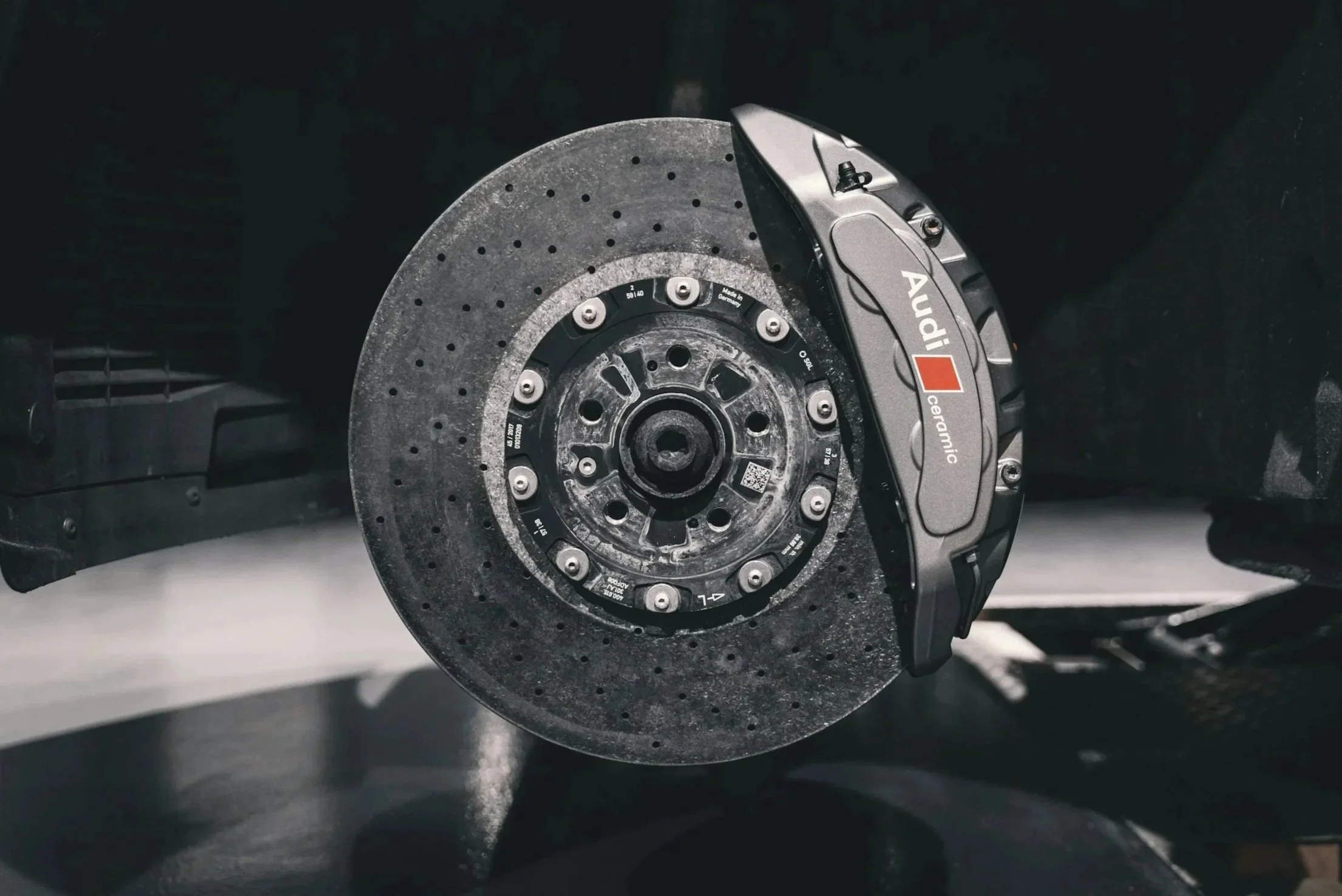
Maintaining a vehicle’s braking system is crucial for both performance and safety. Understanding when to replace brake pads, rotors, and fluid can prevent severe accidents and costly repairs, thus ensuring that your vehicle remains in top condition. Brake pads, rotors, and fluid are essential components of your vehicle's braking system, directly impacting its ability to stop effectively. Often, vehicle owners neglect these parts until they notice significant issues, leading to dangerous situations. This comprehensive guide will take you through essential indicators for brake replacement, maintenance recommendations, and local services available in Forney, TX, to keep your vehicle safe and reliable.
How to Know When to Replace Brake Pads in Forney, TX Vehicles?
Knowing when to replace your brake pads is critical to maintaining your vehicle’s safety. Brake pads are designed to wear down over time, and regular checks can prevent hazardous driving conditions caused by brake failure. Vehicle owners should look out for particular signs which indicate it's time for a replacement.
What Are the Common Signs of Worn Brake Pads?
Common signs of worn brake pads include:
Squeaking or Squealing Sounds: High-pitched noises indicate that the brake pads need replacement soon.
Vibration During Braking: Feeling vibrations in the brake pedal can mean that the pads are worn out and are not making even contact with the rotors.
Reduced Braking Efficiency: A noticeable increase in stopping distance is a significant red flag that brake pads need attention.
If any of these signs are present, it is essential to schedule a brake service immediately to avoid further damage.
How Does Brake Pad Wear Affect Vehicle Safety?
Worn brake pads can significantly compromise vehicle safety. As the material wears down, the friction needed to stop your vehicle decreases, leading to:
Increased Stopping Distances: The longer it takes to stop, the higher the chance of collisions.
Higher Risk of Accidents: Faulty brakes may lead to dangerous situations, especially in emergency stops.
Potential Damage to the Braking System: Continuing to drive on worn pads can damage rotors, leading to more expensive repairs.
It is vital to be vigilant and proactive about brake maintenance to ensure safety on the road.
How Do Worn Rotors Cause Brake Vibration and Noise?
Worn or warped rotors can lead to unpleasant sensations and noises when braking. The mechanics behind this include:
Uneven Contact with Pads: When rotors wear down unevenly, the brake pads cannot make consistent contact, leading to shaking.
Noise Indicators: Grinding or squeaking noises can indicate rotor damage or wear.
Addressing rotor issues promptly is vital to maintain overall brake system effectiveness.
Further research delves into the technical specifics of brake rotor wear and its detection.
Brake Rotor Thickness Variation and Corrosion Detection ABSTRACT: Brake rotors are essential parts of the disc brake systems. Brake rotor thickness variation (RTV) and corrosion are among top failure modes for brake rotors, which may lead to brake judder and pulsation, steering wheel oscillations and chassis vibration. To improve customer satisfaction, vehicle serviceability and availability, it is necessary to develop an onboard fault detection and isolation solution. This study presents a methodology to monitor the state-of-health of brake rotor system to reduce costs associated with scheduled inspection for autonomous fleet or corrective maintenance. We converted the vehicle signals from time-domain to angle-domain and determined health indicators to estimate the RTV level of the rotors. Variance, envelope and order analysis of the brake circuit pressure, longitudinal acceleration and wheel speed sensor signals in angle-domain were promising health indicators to differentiate healthy and faulty rotors. A classification model was dev A method to detect and isolate brake rotor thickness variation and corrosion, H Kazemi, 2023
When Should You Repair or Replace Brake Rotors in Forney, TX?
Proper rotor maintenance is essential for optimal safety. Consider these guidelines for when to repair or replace your rotors:
Consult a Mechanic if Vibrations Occur: If vibrations are felt during braking, it is critical to get your vehicle checked.
Regular Inspections Help Determine Replacement Needs: Schedule brake inspections during routine maintenance to catch wear before it escalates.
Ignoring Signs Can Lead to Brake Failure: Failing to address rotor wear can result in complete brake failure, putting you and others at risk.
By staying aware of rotor conditions, you can ensure safer driving experiences.
How Often Should You Perform Brake Fluid Changes and Why Is It Important?
Brake fluid is essential for safe vehicle operation as it transfers force from the brake pedal to the brake pads. Knowing when to change it is essential.
What Are the Recommended Brake Fluid Change Intervals?
It is generally advised to change brake fluid every 2 years or according to the vehicle manufacturer’s recommendations. Regular checks and changes can prevent old fluid from affecting brake performance.
What Risks Are Associated with Neglecting Brake Fluid Replacement?
Neglecting fluid replacement can lead to several serious issues, including:
Rust and Corrosion: Old fluid can cause internal corrosion, resulting in brake line failure.
Hydraulic Failure: Contaminated fluid can lead to brake fluid boiling, causing brake loss.
Increased Maintenance Costs Long-Term: Regular fluid changes are less expensive than major repairs from neglect.
Maintaining clean, functional brake fluid ensures your braking system operates effectively.
What Does Brake Repair Cost in Forney, TX and How to Choose Reliable Local Shops?
Understanding the cost factors associated with brake repairs can help you budget better and seek quality services in Forney, TX.
What Is the Average Cost for Brake Pad Replacement and Rotor Repair?
Costs vary widely in Forney, TX depending on the service, but generally, you might expect:
Brake Pad Replacement: Ranges from approximately $100-$300 depending on the type of pad and vehicle model.
Rotors Repair: Costs can be between $150-$500 based on rotor condition and vehicle specifications.
Getting estimates from multiple service providers can ensure you understand the average for your particular needs.
How to Find Trusted Brake Repair Shops Near Forney, TX?
Finding reliable local services can seem daunting, but following these steps can lead to trustworthy options:
Check Local Reviews and Ratings: Online reviews can provide insights into customer satisfaction.
Look for Certifications and Warranties: Ensure the shop is certified and offers warranties on services.
Visit Prior to Service for a Consultation: Meeting the technicians and asking questions can help establish trust before committing.
Forney, TX has numerous dedicated service providers, including DFE Auto Repair.
How Can Vehicle Owners Inspect Their Brakes: Step-By-Step Guide to Brake System Inspection?
Regular inspections empower vehicle owners to proactively maintain their brake systems, enhancing safety on the road.
What Are the Key Steps to Check Brake Pads, Rotors, and Fluid Levels?
Here are essential steps for conducting a brake inspection:
Visual Inspection of Pads and Rotors: Look for signs of wear and replace them if they are visibly thin.
Check Fluid Color and Levels: Healthy fluid should be clear or light amber. Dark or cloudy fluid indicates it should be changed.
Consult Manuals for Specific Guidelines: Follow manufacturer specifications for the best practices concerning checkups.
Performing these inspections routinely can prevent bigger problems down the line.
Which Tools and Signs Should You Use for Effective Brake Inspection?
Using the right tools and knowing what to look for is vital. Here's what to consider:
Basic Tools: Wrenches and brake gauges help check pad thickness and rotor conditions.
Signs of Potential Issues: Pay attention to grinding sounds, pulling to one side when braking, or dashboard warning lights.
Encouraging Regular Check-Ups Enhances Safety: Frequent check-ups ensure that your brakes remain in excellent working condition.
Ultimately, a proactive approach to brake maintenance can protect your safety and your vehicle’s longevity.
Why Choose Local Brake Repair Services in Forney, TX for Your Vehicle’s Brake Maintenance?
Opting for local services can provide several benefits over national chains, particularly in understanding community needs.
What Benefits Do Forney Based Repair Shops Offer Over National Chains?
Choosing local repair shops has several advantages, such as:
Personalized Service: Local shops tend to offer more personalized service than larger chains.
Local Reputation Matters: A shop that has built a good reputation in the community is likely to be reliable.
Often, Better Community Involvement: Local shops often have a commitment to their communities that larger chains do not.
Selecting a local repair shop, like DFE Auto Repair, enhances customer service and satisfaction.
How Does Professional Brake Service Improve Long-Term Safety?
Engaging in regular, professional brake service can significantly impact vehicle longevity:
Regular Maintenance Avoids Costly Replacement: Preventative measures can help you avoid larger expenses in repairs.
Pro Mechanics Can Spot Issues Early: Trained technicians can identify problems before they become critical.
Service Records Can Boost Resale Value: Maintaining thorough records improves the resale appeal of your vehicle should you decide to sell.
Investing in local brake services ensures that you remain safe on the road with a functioning brake system.
Frequently Asked Questions
What Should I Do If My Brake Warning Light Comes On?
If your brake warning light illuminates, it indicates a potential issue with your braking system that requires immediate attention. First, check the brake fluid level; low fluid can trigger the warning light. If the fluid level is adequate, schedule a vehicle inspection with a qualified mechanic. Ignoring the warning may lead to brake failure, which can be dangerous while driving. Always prioritize your safety by addressing any warning lights promptly.
Are There Different Types of Brake Pads, and Which Is Best for My Vehicle?
Yes, there are different types of brake pads, including semi-metallic, organic, and ceramic options. Semi-metallic pads offer better performance and durability, making them suitable for heavier vehicles or performance applications. Organic pads are quieter and produce less brake dust, ideal for daily drivers. Ceramic pads offer a good balance between performance and comfort. Choose the best type based on your driving style and vehicle specifications, consulting a professional if necessary.
How Can I Safely Increase My Brake Lifespan?
To extend the lifespan of your brakes, practice smooth driving techniques such as gradual acceleration and deceleration. Avoid aggressive braking whenever possible, as this accelerates pad and rotor wear. Regularly inspect your brakes to catch wear early. Additionally, scheduling routine maintenance, including brake fluid changes and inspections, can help ensure your system operates efficiently and safely, leading to longer-lasting components.
What Should I Expect During a Brake Inspection?
During a brake inspection, a qualified technician will visually and physically examine the brake pads, rotors, and fluid levels. This includes checking for wear patterns, measuring pad thickness, and assessing rotor condition for signs of warping or damage. The technician may also inspect brake fluid for contamination and recommend necessary repairs or replacements. Expect a thorough evaluation aimed at ensuring your brake system's reliability and safety.
Is It Safe to Drive With a Slight Vibration When Braking?
Experiencing slight vibrations while braking can indicate issues with your brake rotors, such as warping. While it may not be immediately dangerous, it is not advisable to ignore the situation. Continued driving under these conditions can lead to more severe damage, potentially compromising safety. Schedule a brake inspection as soon as possible to determine the underlying cause and prevent further complications.
How Often Should I Have My Brakes Professionally Inspected?
It’s generally recommended to have your brakes professionally inspected at least once a year, or every 12,000 to 15,000 miles. However, if you frequently drive in heavy traffic, mountainous areas, or towing situations, more frequent inspections might be necessary. Pay attention to any signs of brake wear, unusual sounds, or changes in braking performance, and consult your mechanic to determine the appropriate inspection frequency for your specific vehicle and driving conditions.