A/C Repair & Recharge in Forney, TX | Beat the Texas Heat
Reliable Air Conditioning Diagnostics & Service
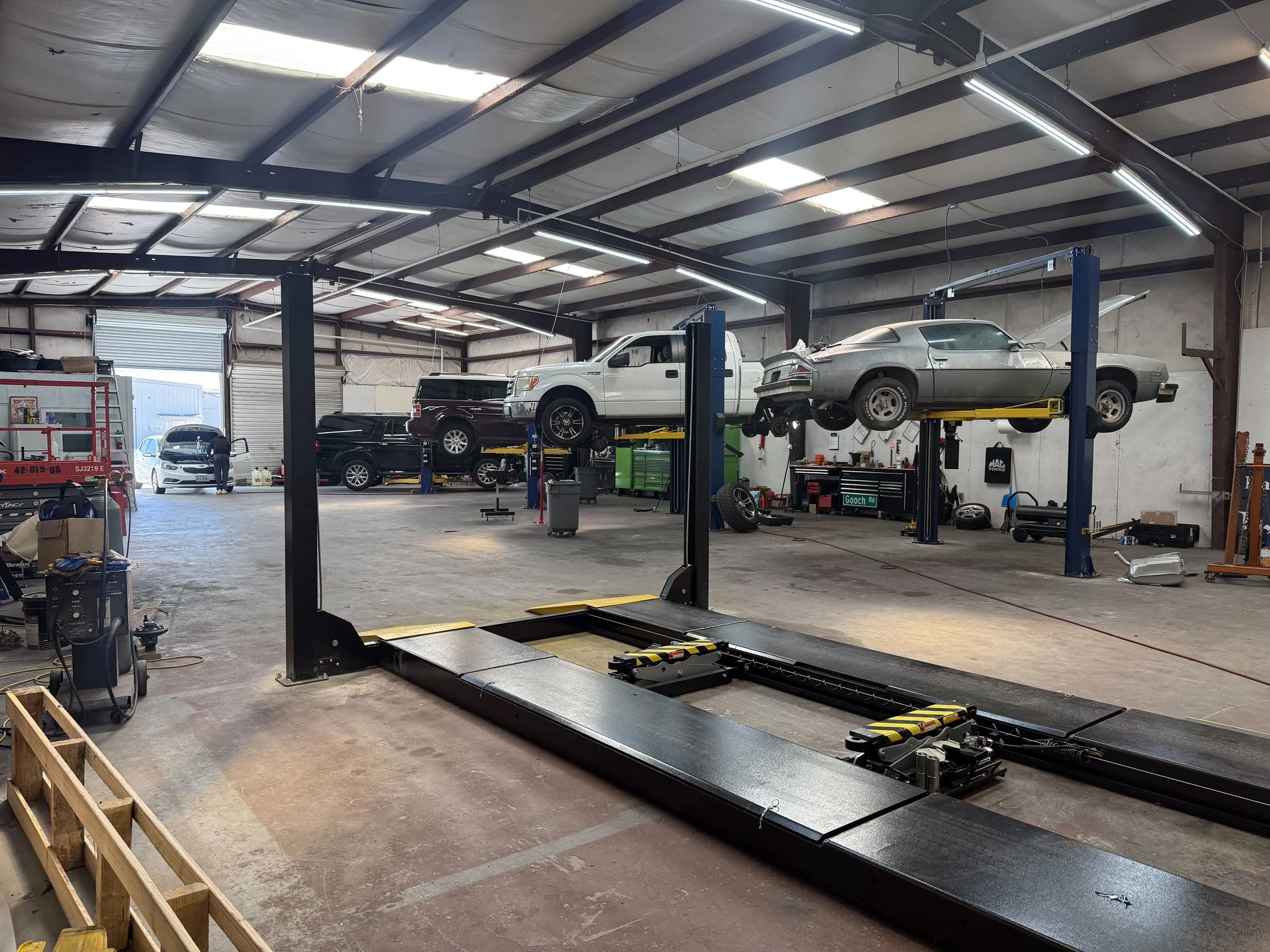
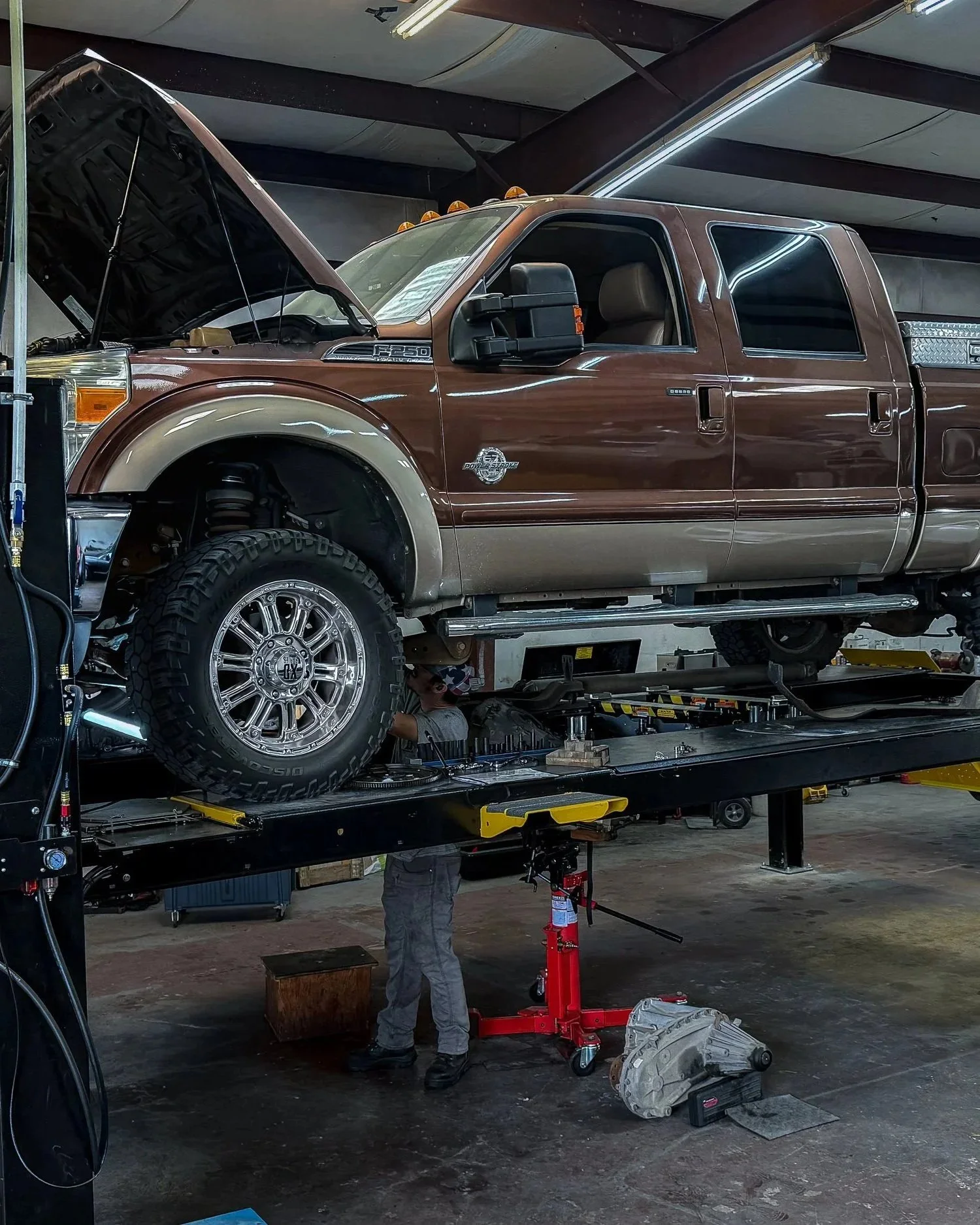
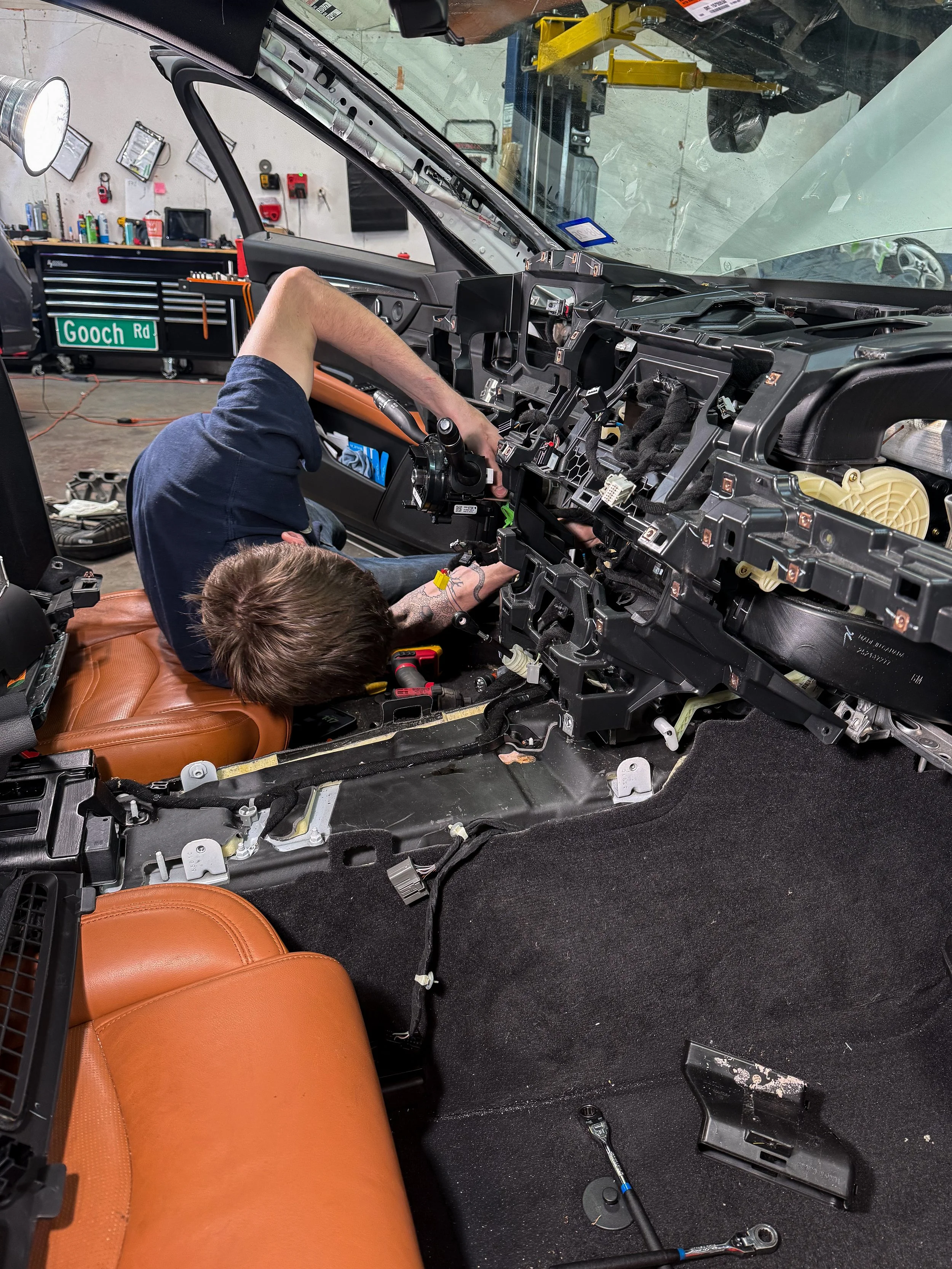
Texas summers are unforgiving, and a broken air conditioner in your vehicle is more than an inconvenience - it's a safety hazard. At D.F.E. Auto Repair, we specialize in complete A/C repair and recharge services. Our technicians quickly diagnose leaks, electrical faults, and compressor failures to restore ice cold air to your cabin.
Don't sweat your daily commute. Let us get your A/C blowing cold again today.
Our A/C service starts at $166.65 for vehicles that require 134A, and $302.25 for vehicles that require 1234YF.
Our Complete A/C Services Include:
A/C Performance Testing: Measuring vent temperatures and system pressures to pinpoint the exact issue.
A/C Recharge (Freon/Refrigerant): Evacuating and recharging your system with the precise amount of refrigerant.
Schrader Valve Replacement: With every A/C recharge we put in a new set of service ports. It is the most common area for freon leakage.
Leak Detection: With every A/C recharge, we add a small amount of UV dye to locate any leaks that may be present.
Component Replacement: Repairing or replacing compressors, condensers, evaporators, and expansion valves.
Blower Motor & Cabin Filter Service: Ensuring strong airflow and clean, allergen-free air inside your car.
Our Step by Step A/C Diagnostic & Recharge Process
To ensure your air conditioning system is repaired correctly the first time, we follow a strict diagnostic and service protocol:
System Pressure & Temperature Test: We measure the operating pressures on both the high and low sides of your A/C system and check the temperature of the air coming out of your vents.
Visual Inspection: We check the A/C compressor clutch, drive belts, hoses, and condenser for obvious signs of damage, wear, or leaks.
Vacuum Leak Test: We use a specialized machine to pull a deep vacuum on your A/C system. If the system cannot hold the vacuum, it indicates a leak that must be repaired before adding new refrigerant.
Refrigerant Evacuation & Recharge: We safely remove any old, contaminated refrigerant and recharge the system with the exact weight of fresh refrigerant, R134a or R1234yf, specified by your vehicle's manufacturer.
Lubricant Top-Off: We add the correct type and amount of compressor oil to keep your A/C compressor properly lubricated and prevent premature failure.

Signs Your Car's A/C Needs Professional Attention
Bring your vehicle to D.F.E. Auto Repair if you experience any of these common AC warning signs:
The air blowing from your vents is warm, lukewarm, or only cool when driving at highway speeds.
There is weak airflow, even when the fan is set to maximum.
You hear unusual squealing, rattling, or clicking noises when you turn the A/C on.
There is a damp, musty, or moldy smell coming from your vents.
You notice water leaking onto your floorboard.
Frequently Asked Questions About A/C Repair
Why is my car's A/C blowing warm air?
The most common cause of warm air is a low refrigerant level, usually caused by a small leak in the system. Potential culprits include leaking schrader valves, a failing compressor, a bad cooling fan, a clogged expansion valve, or an electrical fault in the climate control system.
How often does a car A/C need to be recharged?
An automotive A/C system is a sealed system, meaning it should theoretically never need to be recharged unless there is a leak. If your A/C is blowing warm, it means refrigerant has escaped. Simply adding more refrigerant, or topping it off, is a temporary fix; the leak must be found and repaired for a permanent solution.
What is the difference between R134a and R1234yf refrigerant?
R134a is the standard refrigerant used in most vehicles built between 1994 and 2016. R1234yf is a newer, more environmentally friendly refrigerant required in almost all vehicles manufactured after 2021. Our shop is fully equipped with the specialized machinery required to service both systems safely.