Preventative Fluid Flushes: Why Coolant and Power Steering Flushes Are Essential for Vehicle Maintenance
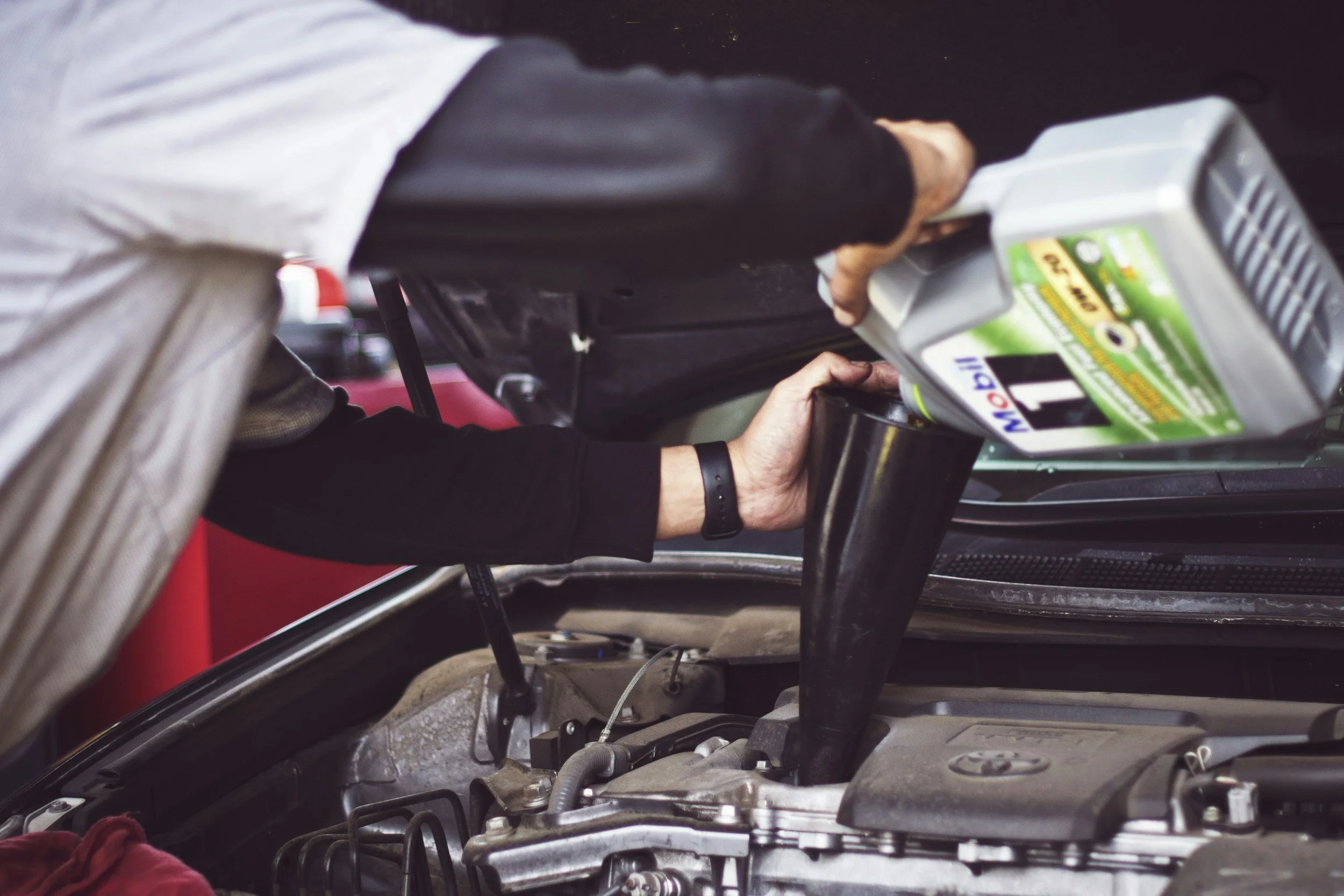
Keeping up with preventative fluid flushes is one of the simplest ways to protect your vehicle’s life and performance. Coolant keeps engine temperatures in check, while power steering fluid helps you turn smoothly and safely. Below we’ll explain why regular coolant and power steering flushes matter, how they help your car run better, and what to expect from local shops when it’s time for service. Many owners don’t realize that skipping fluid maintenance can lead to costly repairs—this guide covers the benefits, recommended schedules, and typical cost factors so you can make smart service decisions.
What Is a Coolant Flush and Why Is It Important?
A coolant flush removes old, contaminated coolant from your engine’s cooling system and replaces it with fresh fluid. Over time coolant can break down and collect rust, scale, and sludge that reduces heat transfer and promotes corrosion. A proper flush clears those contaminants, helps prevent overheating, and keeps the cooling system operating efficiently. Neglecting coolant maintenance raises the risk of overheating, damage to hoses, radiators, and even the engine itself—leading to expensive repairs.
Why You Need Power Steering Flush Services for Vehicle Longevity
Power steering fluid can pick up debris and moisture over time, which wears parts and reduces steering responsiveness. A professional power steering flush removes contaminated fluid, replenishes it with the correct type, and helps prevent premature wear of pumps, hoses, and steering gears. Regular service keeps steering smooth and dependable—ignore it and you risk noisy operation, harder steering, and costly component failures.
How to Follow a Car Fluid Change Schedule for Preventative Maintenance
Setting a simple fluid-change schedule is an easy way to avoid bigger problems later. Below are the common fluids that benefit from regular attention:
Coolant: Replace every 30,000–50,000 miles or follow your vehicle manufacturer’s recommendation.
Power Steering Fluid: Typically flushed every 50,000–100,000 miles, depending on use and vehicle design.
Transmission Fluid: Often serviced every 30,000–60,000 miles to maintain shift quality and longevity.
Watch for warning signs like dark or contaminated fluid, strange noises from the steering or engine, or temperature warnings—these indicate it’s time for service. Regular checks and a consistent schedule go a long way toward reliable performance.
What Is the Typical Coolant Flush Cost and Service Pricing Near Me?
Fluid flush pricing depends on several factors, including your vehicle's make and model, the type of fluid required, and whether the technician finds additional issues once the system is inspected. A coolant flush, a power steering flush, and a complete multi-fluid service each involve a different scope of work, so the price can shift quite a bit from one vehicle to the next. Rather than quoting a flat rate upfront, D.F.E. Auto Repair evaluates each vehicle individually and provides a clear estimate once the fluids and related components have been checked in person. When comparing providers, ask for a written estimate and find out whether recycled or OEM fluids are used, so you understand exactly what's included before work begins.
What Are the Benefits of Preventative Fluid Flushes for Car Safety and Performance?
Regular fluid flushes improve safety, reliability, and driving comfort. Key benefits include:
Increased Engine Efficiency: Clean coolant helps your engine run at the right temperature and reduces wear.
Enhanced Handling: Fresh power steering fluid keeps steering predictable and responsive.
Cost Savings: Preventative maintenance helps you avoid major repairs and extends vehicle life.
Prioritizing these services means fewer surprises on the road and lower long-term maintenance costs.
For residents of Forney, Texas, D.F.E. Auto Repair provides professional coolant and power steering flush services to keep your vehicle running reliably. Our team can recommend the right schedule and fluid type for your car.
How to Prepare Your Vehicle for a Coolant or Power Steering Flush Service
Preparing ahead makes the visit smoother. Simple steps to take before a flush:
Check your fluid levels: Note current levels and any visible issues before the appointment.
Schedule an appointment: Plan for a few hours without your vehicle so the shop can perform a full service.
Describe Issues: Tell the service advisor any symptoms you’ve noticed so they can inspect related components.
These small actions help ensure a thorough and efficient service experience.
Recommended Questions to Ask Your Service Provider
When you bring your vehicle in, these questions will help you get clear answers:
What type of fluid do you recommend for my vehicle?
How often should I have these services performed?
Can you explain the benefits of each fluid flush?
Asking these will give you confidence in the service and help you choose the best maintenance plan for your vehicle.
Frequently Asked Questions
1. How does a coolant flush affect my vehicle's performance?
A coolant flush clears old fluid and contaminants that can cause overheating and corrosion. Fresh coolant improves heat transfer, protects cooling system components, and reduces the chance of breakdowns—resulting in steadier engine temperatures and more reliable performance.
2. Can I perform a coolant or power steering flush myself?
It’s possible if you have the right tools and experience, but professionals offer equipment, correct fluid handling, and the know-how to do a complete job without contaminating the system. A shop can also spot related issues that a quick DIY job might miss.
3. What are the signs that indicate I need a fluid flush?
Look for dark or cloudy fluid, odd noises, recurring overheating, or visible rust in the coolant. Any of these signs means it’s time for inspection and likely a flush.
4. How do I choose a reliable service center for fluid flushes?
Research local shops, read reviews, and ask about certifications and warranties. Choose a place that explains the work, shows the old fluid if requested, and offers a clear, written estimate.
5. What happens if I ignore fluid flush recommendations?
Skipping recommended flushes can lead to overheating, reduced steering performance, and premature component failure. Over time this causes higher repair bills and shortens the vehicle’s useful life.
6. Are there any environmental concerns with fluid flushes?
Yes—used coolant and fluids must be disposed of properly. Reputable shops follow recycling and disposal rules to protect the environment. Ask your provider about their recycling practices if this is a concern.
7. How often should I check my vehicle fluids aside from flushes?
Check the condition and levels of fluid at least once a month or before long trips. Monitoring color, clarity, and levels helps you catch problems early and decide when a professional flush is needed.