Wheel Alignment & Suspension Repair in Forney TX: How to Spot a Rough Ride and Fix It
A bumpy, shaky, or wandering ride isn’t just annoying - it can be unsafe and costly if ignored. This guide walks you through the common signs of wheel alignment and suspension problems, how to diagnose them, and the practical fixes that restore a smooth, controlled drive. Keeping alignment and suspension in good shape protects your tires, improves handling, and helps your vehicle last longer. We’ll cover what to watch for, why these issues matter for safety, how technicians diagnose rough rides, what to expect from professional repairs, simple maintenance you can do, and typical costs so you can plan ahead.
What Are the Common Signs of Suspension and Wheel Alignment Problems?
Knowing the warning signs helps you act before small issues become big repairs. Look for vibrations, pulling to one side, uneven or unusual tire wear, and noises over bumps. These symptoms usually point to alignment or suspension wear and should prompt a check to avoid bigger safety problems down the road.
How Does Steering Wheel Vibration Indicate Suspension Issues?
If your steering wheel shakes or buzzes, it often means the suspension isn’t absorbing road impacts properly. Worn shocks or struts, loose components, or imbalance can all cause vibration. Catching these early prevents accelerated tire wear and gives you back a more stable, comfortable ride.
What Tire Wear Patterns Reveal Alignment and Suspension Faults?
Tire wear tells a clear story: feathering, cupping, or one-side wear usually means misalignment, bad suspension parts, or improper inflation. Proper alignment lets tires share the load evenly, so spotting uneven wear early can save you money and extend tire life.
Why Is Proper Wheel Alignment Crucial for Vehicle Safety and Ride Quality?
Correct wheel alignment keeps your vehicle tracking straight, improves steering response, and reduces unnecessary strain on tires and suspension parts. That means safer handling on turns and often better fuel economy since the car rolls more efficiently.
How Does Wheel Alignment Improve Fuel Efficiency and Tire Longevity?
When your wheels are misaligned, your tires do not point straight ahead together. Instead, they drag or scrub against the pavement. This resistance forces the engine to use more power and fuel just to keep the vehicle driving in a straight line. Correcting this resistance can improve your fuel economy by up to 10% and prevent tires from premature wear, saving you money over time.
What Role Does Suspension Repair Play in Enhancing Ride Comfort?
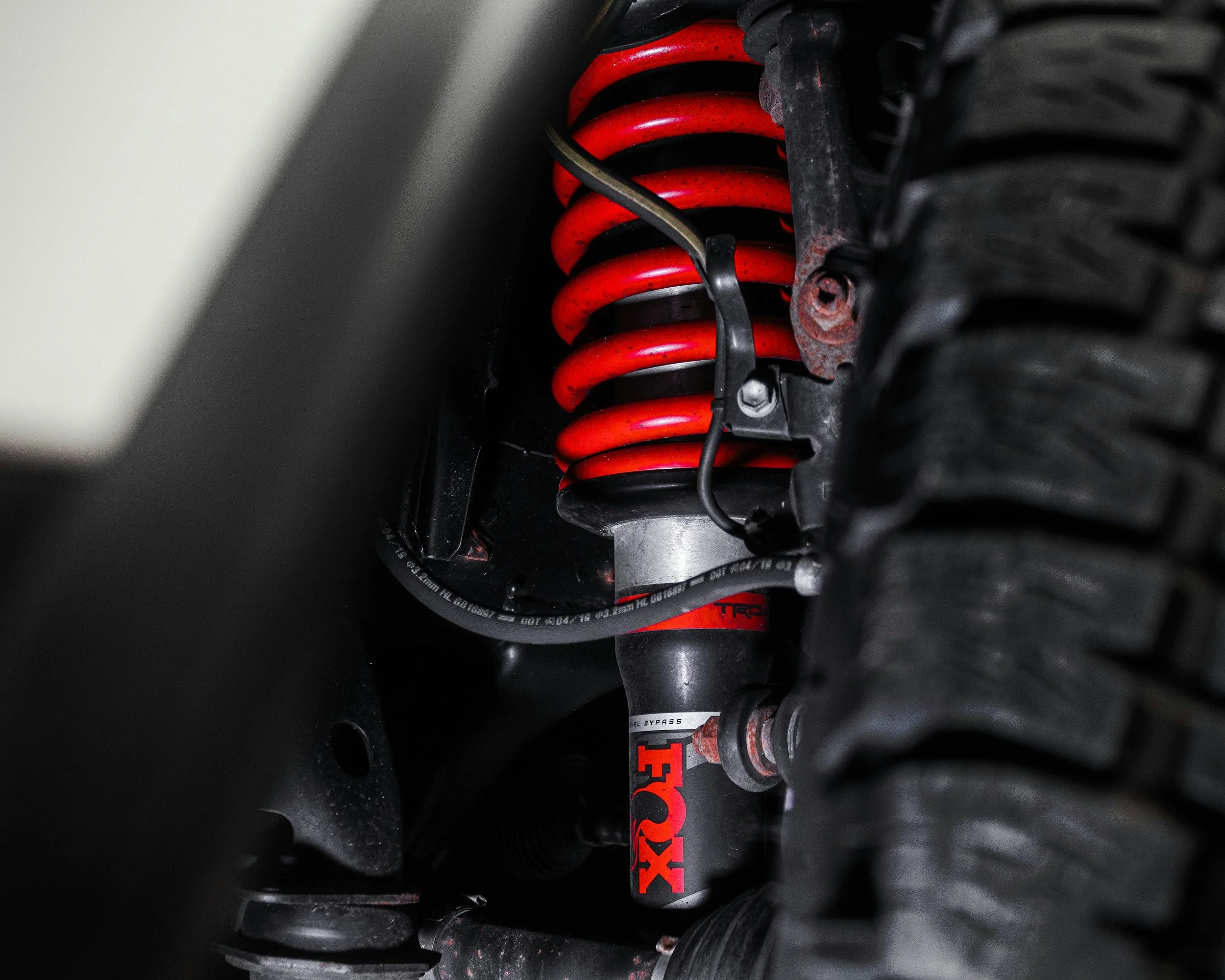
Suspension repairs from replacing shocks and struts to fixing broken springs restore your vehicle’s ability to absorb bumps and stay planted. Good suspension equals better comfort, more predictable handling, and less stress on other parts of the car. When suspension components like shocks, struts, or control arms fail, they stop absorbing road impacts, transferring those violent vibrations directly into the rest of the vehicle.
How Can You Help Identify and Diagnose Suspension Issues in Your Vehicle?
Finding the root of a rough ride starts with a careful listen and inspection: note when the problem occurs, where the noise or vibration is felt, and whether tires show unusual wear. Technicians then check key suspension parts, steering components, and tires to pinpoint the cause.
What Are Key Suspension Problems That Cause Rough Rides?
Common culprits of a rough ride caused by suspension include worn shock absorbers, broken or sagging springs, damaged bushings, and loose mounts. Any of these can make the car feel loose, bouncy, or harsh over bumps. Regular inspections help catch them before they affect safety.
How Do Steering System Issues Lead to Handling Difficulties?
Problems like worn tie rods, loose steering linkage, or incorrect toe settings can make the vehicle pull, wander, or respond sluggishly. This creates a dangerous delay in emergency maneuvers, making the car feel completely disconnected and unresponsive. These faults should be corrected promptly to keep steering precise and predictable.
What Should You Expect from Professional Wheel Alignment and Suspension Repair Services in Forney TX?
A good shop runs a full inspection, explains what they find in plain terms, and shows you the recommended fixes with clear pricing. Expect checks of ride height, shocks/struts, bushings, steering parts, and a computer alignment if needed. Clear communication and a warranty on work are signs of a shop you can trust. At D.F.E. Auto Repair, we focus on honest diagnostics and durable repairs tailored to your vehicle. Our goal is to get you back on the road safely with a ride that feels right.
How Does a Front End Alignment Correct Tire Wear and Steering Problems?
A front end alignment adjusts the wheel angles so tires sit straight and point where they should. Over time, hitting potholes, curbs, or general wear on suspension parts knocks these angles out of specification. By restoring the factory angles of the toe, camber, and caster, a technician eliminates the friction that destroys tire tread and restores predictable steering.
What Are the Signs You Need Steering Repair Services?
If the steering wheel physically resists your steering inputs, shakes/vibrates, or makes unusual noises while turning, have it checked. Because your steering system is critical to your every day drive, catching these warning signs early can prevent dangerous mechanical failures and expensive secondary damage.
How to Maintain Your Vehicle’s Suspension and Alignment for Long Term Performance?
Routine inspections and prompt repairs are the best defense. Keep your tires inflated to manufacturer spec, rotate them every 5,000 to 8,000 miles, avoid potholes when possible, and have your suspension checked if you notice changes in ride quality.
What Are Recommended Auto Suspension Maintenance Tips in Forney TX?
Local roads and weather can be hard on suspension - especially around here. Check shocks and struts for leaks or damage, watch for sagging springs, listen for unusual noises, and inspect mounts and bushings after hitting potholes. Regular checks after harsh road conditions help you catch small issues before they become large repairs.
How Often Should Wheel Balancing and Alignments Be Performed?
A good rule is to balance and check alignment every 6,000 to 8,000 miles or whenever you notice vibration, uneven tire wear, or after an impact like a curb or pothole. Following a schedule keeps handling steady and tires lasting longer.
What Are the Typical Costs Of Wheel Alignment and Suspension Repair?
The total cost varies heavily depending on what parts have failed, but maintaining a proper alignment is one of the highest return investments you can make to protect your suspension and tires. A basic alignment is generally affordable, but replacing shocks, struts, springs, etc can cost substantially more. An alignment can cost anywhere from $130 to $200, while suspension repairs can easily exceed $1,000.
What Are Common Questions About Tire Wear Alignment Issues and Repair?
People often ask how to spot misalignment and what fixes will last. The best answers come from a hands-on inspection: tell your technician what you feel and hear, and they’ll recommend targeted repairs or alignment adjustments to prevent repeat problems.
Frequently Asked Questions
1. What Is the Difference Between Wheel Alignment and Suspension Repair?
Wheel alignment adjusts wheel angles so tires track straight and wear evenly. Suspension repair replaces or rebuilds parts that support the vehicle and absorb bumps - shocks, struts, springs, and related components. Both affect ride quality and tire life, but they address different systems.
2. How Can I Tell If My Vehicle Needs Wheel Alignment?
Look for uneven tire wear, the car pulling to one side, or a steering wheel that isn’t centered when driving straight. Vibration or a rough ride after hitting a pothole is also a strong indicator. If you notice any of these, schedule an alignment check.
3. Can I Perform Wheel Alignments Myself?
DIY alignment attempts are risky because accurate alignment needs calibrated tools and precise measurements. Incorrect adjustments can worsen handling and wear. For reliable results and safety, it’s best to use professional equipment and trained technicians.
4. How Do Road Conditions Affect Suspension Health?
Potholes, rough roads, and frequent heavy loads accelerate wear on shocks, struts, and other suspension parts. If you drive a lot on rough surfaces, inspect your suspension more often to catch problems early and avoid larger repairs.
5. What Impact Do Unsuitable Tires Have on Wheel Alignment?
Tires that are the wrong size, mismatched, or improperly inflated can throw off alignment and cause uneven wear. Using tires that meet your vehicle manufacturer’s specs and keeping them properly inflated helps maintain correct alignment and handling.
6. Is There a Specific Season for Suspension Maintenance?
Suspension care is year-round, but it’s a smart move to check the system before and after harsh seasons — winter salt, freeze-thaw cycles, and heavy rains can reveal or worsen issues. Alignments during seasonal tire changes are a convenient time for an inspection.
7. What Should I Look for When Choosing a Repair Service?
Choose a shop with good reviews, clear estimates, trained technicians, and a warranty on parts and labor. A trustworthy shop will explain the problem in plain language and recommend only what’s necessary to get you back on the road safely.