Decode Your Dashboard Warning Lights: Car Dashboard Lights Meaning and Check Engine Light Diagnostic for Forney Car Owners
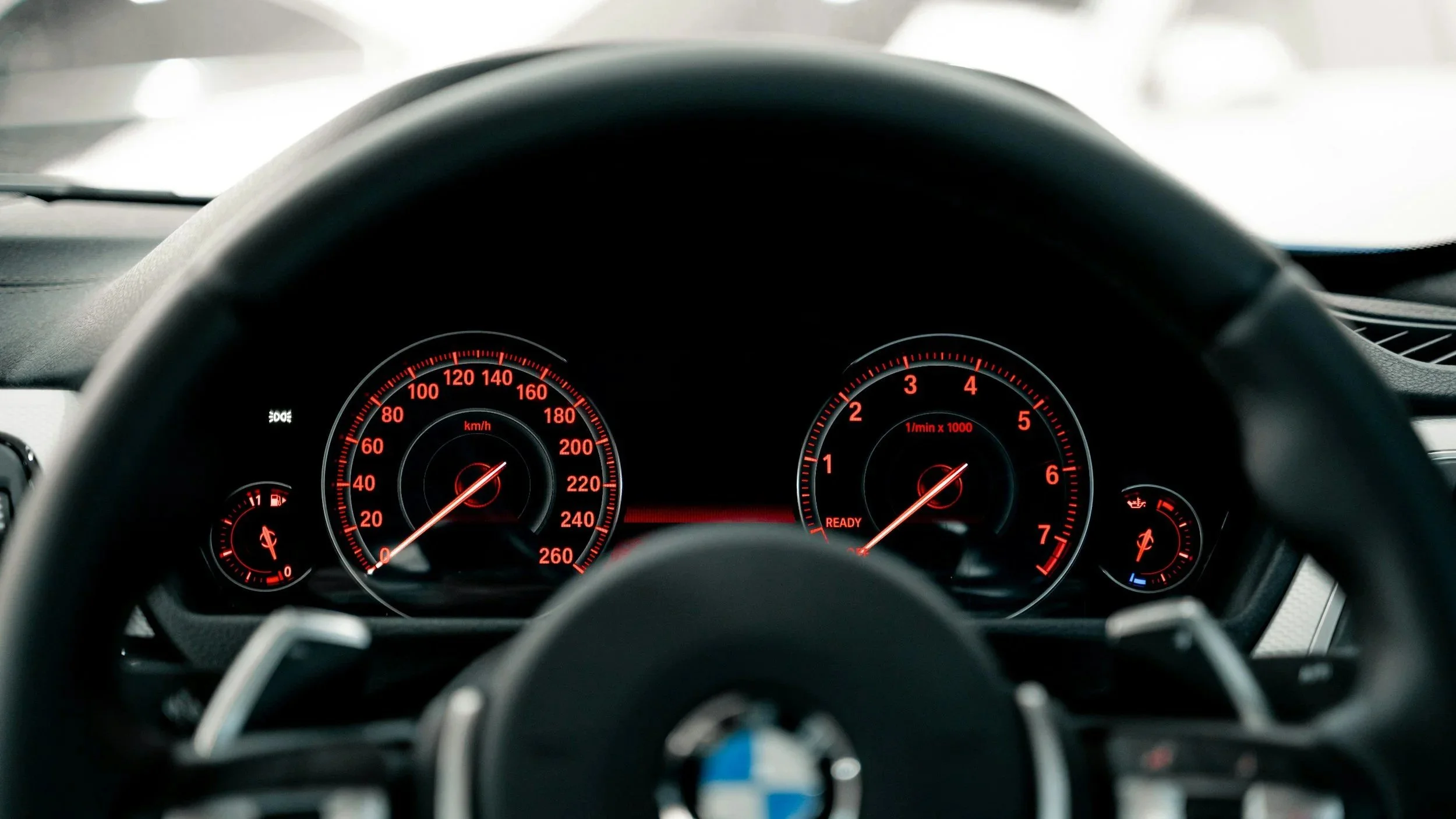
Dashboard warning lights are essential indicators that alert vehicle owners to potential issues within their cars. Understanding these lights is critical for maintaining the safety and functionality of your vehicle. This guide aims to decode common dashboard warning lights and provides insights on dealing with the check engine light specifically tailored for Forney car owners. Most drivers face confusion or anxiety when confronted with these warnings, but knowing what they mean can significantly alleviate concerns and promote timely action to avoid serious car trouble. This article will cover the meanings of various dashboard lights, how to diagnose the check engine light, when to seek professional help, and tips for preventing warning lights through maintenance practices.
What Are the Common Dashboard Warning Lights and Their Meanings?
Common dashboard warning lights serve as vital communication tools between your vehicle and you. They could be alerting you to anything from critical mechanical issues, low fluids, or system failures requiring immediate or upcoming attention. For example, the traction control light could be flashing, which only means that it is actively working to avoid tire slip. If it is solid, it has been manually turned off or has a fault that disabled it’s use. Another example would be the tire pressure light (an exclamation mark inside of a tire) which either means that there is low tire pressure or that one or more of your TPMS sensors are not reading.
How Do Warning Light Colors and Symbols Indicate Vehicle Issues?
The colors and symbols of dashboard warning lights convey different levels of urgency and specific vehicle conditions. Red lights typically signal critical issues that require immediate attention, such as the check engine light or brake warning indicator. Yellow or orange lights indicate caution and signify a non critical issue that needs to be addressed soon. Green or blue lights are informational, indicating that a system is functioning correctly or is active. The various symbols and colors on car dashboards serve to communicate complex information about the vehicle's status in a simplified, yet effective, manner to the driver.
Automotive Dashboard Indicators: Interaction and Warnings
Automotive dashboard indicator is a way of interaction between cars and drivers. Located on the instrument cluster, it indicates usage of some features or function in a type of symbol or acronym such as handbrake, lamps and also as a warning to the driver a malfunction of some components or current condition of the car. Automotive dashboard indicator: Consequences of different types of indicator to the driver.
Which Dashboard Lights Signal Urgent Attention?
Certain dashboard lights indicate emergencies that require immediate action. Critical indicators include the check engine light, oil pressure warning light, and the brake warning light. Ignoring these warnings can lead to severe vehicle damage or even safety risks while driving. If any of these lights illuminate, it's advisable to stop driving and consult a professional mechanic as soon as possible.
What Steps Should You Take When the Check Engine Light Illuminates?
When the check engine light comes on, the first step is to check for obvious issues, such as low oil levels or an open gas cap. If everything appears normal, it is wise to avoid panic and assess your driving conditions. Continue driving cautiously and aim to have your vehicle inspected by a qualified mechanic promptly to avoid further complications. Understanding what these warning lights mean is crucial, as driver familiarity and comprehension significantly influence whether timely preventive maintenance actions are taken.
Driver Comprehension of Dashboard Warning Lights and Maintenance
Dashboard indicator light symbols convey information about vehicles status and functioning, but action taken to address issues associated with these symbols depend on drivers’ familiarity and comprehension of the symbols as well as demographic factors. Thus, this study assesses drivers’ familiarity and comprehension of dashboard indicator light symbols and further examines the impact of driver background factors and comprehension level of the symbols on drivers’ preventive maintenance compliance.
Where to Find Reliable Auto Repair Diagnostic Services in Forney, TX?
To effectively diagnose issues related to the check engine light, seeking reliable auto repair diagnostic services is essential. Research local mechanics and auto shops, considering customer reviews and ratings to find a reputable service provider that offers accurate diagnostics and repairs. Trusted shops can utilize advanced diagnostic tools to uncover the root cause of the warning light, ensuring a comprehensive resolution.
What Are the Safety Risks of Ignoring Warning Lights?
Ignoring dashboard warning lights can result in severe safety risks, ranging from mechanical failures to increased chances of accidents. For example, neglecting the check engine light may lead to engine damage, while ignoring the oil pressure warning can result in a complete engine failure. Prioritizing these indicators can help maintain vehicle reliability and ensure driver safety.
How Do Repair Services Resolve Diagnostic Trouble Codes?
When you visit an auto repair shop for a warning light, the technician will use specialized diagnostic tools to read the vehicle's trouble codes. These codes provide insights into specific issues, allowing the mechanic to identify necessary repairs effectively. Understanding how repair shops interpret these codes can help you feel more informed and involved in the repair process.
How Does Regular Car Maintenance Prevent Warning Light Activation?
Routine check-ups, including oil changes and fluid checks, can significantly reduce the risk of dashboard warning lights illuminating. Regular maintenance not only ensures optimal performance but also helps you catch issues before they escalate into major problems.
Which Practices Help Keep Your Vehicle Electronics Healthy?
Maintaining your vehicle's electrical system is essential for preventing warning lights caused by electronic faults. Regularly cleaning electrical contacts and ensuring battery health can help maintain the overall functionality of your dashboard lights. Elevated awareness regarding electrical system health plays a significant role in prolonging vehicle lifespan. With the increasing complexity of vehicle dashboards and the variety of digitized functionalities, understanding the usability of warning icons is becoming ever more critical for drivers.
Usability of Automotive Dashboard Warning Icons
In the past few years, automobile dashboard and its instrument panel are becoming increasingly complicated as they offer a variety of digitized functionalities such as warning icons. Past research shows that certain automotive warning icon designs could be hard to interpret by drivers. A study was undertaken for determining the usability of certain standard warning icons in automobile instrument clusters using system usability scale (SUS) and also to investigate the “guessability” of these icons. Different dashboard warning lights provide vital information to vehicle owners, ensuring timely responses to potential issues. Understanding the symbols and their meanings allows drivers to make informed decisions about when to consult automotive professionals. By following guidelines for maintenance and seeking assistance when needed, Forney car owners can better manage their vehicle's condition and enhance safety on the road. This structured approach to your dashboard warning lights empowers you to act, ensuring your vehicle remains in optimal condition.
Frequently Asked Questions
1. What should I do if a warning light on my dashboard doesn't turn off after starting the car?
If a dashboard warning light remains illuminated after starting your vehicle, this typically signifies an ongoing issue that requires attention. Begin by checking for anything obvious, like leaks or loose connections. If none exist, it is advisable to consult a professional mechanic as soon as possible. Ignoring persistently lit warning lights can result in extensive vehicle damage and safety risks.
2. How can I find out which dashboard warning lights are specific to my vehicle model?
To determine specific warning lights for your vehicle model, refer to the owner's manual provided when you purchased the car. This manual typically includes detailed explanations of dashboard symbols and their meanings for your specific make and model. If unavailable, consider visiting the manufacturer's website or contacting a local dealership for accurate information.
3. Could dashboard warning lights behave differently based on the vehicle's age or make?
Yes, the behavior of dashboard warning lights may vary depending on the vehicle's age, make, and model. Newer vehicles with advanced technology often have additional warning lights or more sophisticated diagnostic systems. Older models might have simpler indicators. Additionally, manufacturers may design icons uniquely, so familiarity with your vehicle's specific symbols is essential for proper interpretation.
4. How often should I check my dashboard lights and gauges?
Regularly checking your dashboard lights and gauges is recommended as part of your pre-drive routine. At least once a week, or before long trips, verify that all dashboard indicators are functioning correctly. This practice allows you to catch any issues early, ensuring your vehicle remains in optimal condition and reducing the likelihood of surprise repairs or safety risks.
5. Can I diagnose a check engine light without specialized equipment?
While you can check for basic issues using simple methods—like inspecting the fuel cap for tightness or checking oil levels—accurately diagnosing the check engine light often requires specialized equipment. Many auto parts stores offer free diagnostic scanning services where they use OBD-II scanners to read trouble codes. Understanding these codes can guide you on necessary repairs.
6. What are some preventative measures to reduce dashboard warning lights?
To minimize the activation of dashboard warning lights, adhere to a consistent maintenance schedule that includes routine oil changes, tire rotations, and fluid checks. Furthermore, regularly inspecting your vehicle's electrical systems, such as the battery and wiring, can help. Staying proactive with these tasks can detect potential issues early, averting significant repairs down the road.
7. How does vehicle technology impact the functionality of dashboard warning lights?
Vehicle technology greatly enhances the functionality of dashboard warning lights by providing real-time data and more sophisticated alerts. Modern vehicles often incorporate advanced sensors and diagnostic systems that can indicate specific issues more accurately. This technological advancement can improve the driver's awareness of the vehicle's health and prompt quicker responses to potential problems, thereby enhancing safety and reliability.
