Oil Change in Forney, TX: How Often to Change Oil, Best Motor Oil Types & Why It Matters for Your Engine
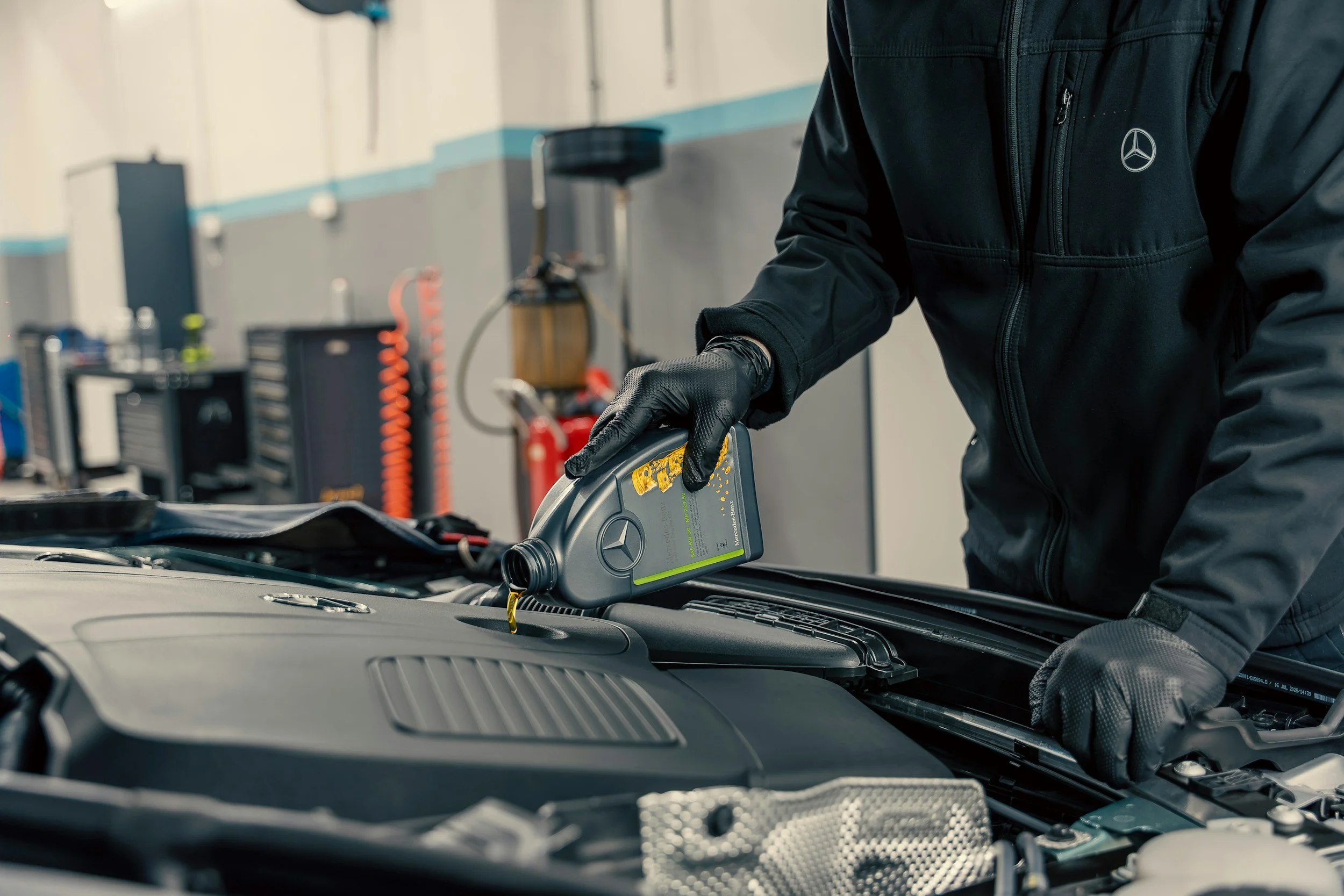
Regular oil changes are a fundamental aspect of vehicle maintenance that can significantly prolong the life of your engine. An oil change involves replacing old engine oil with fresh oil, which lubricates the engine components, reduces friction, and helps prevent wear and tear. Understanding how often to schedule an oil change, what types of motor oil are best for your vehicle, and why these practices are crucial for engine health is vital for any vehicle owner. In Forney, TX, local climate and driving conditions can play an important role in determining oil change frequency. This article will cover recommended oil change intervals, the impact of the regional climate, optimal oil types, and the importance of maintaining engine health through regular maintenance practices.
How Often Should You Change Your Oil in Forney, TX?
The frequency of oil changes is influenced by manufacturer recommendations, driving conditions, and local climate factors. Typically, vehicle manufacturers suggest changing the oil every 5,000 to 7,000 miles, but these intervals may vary based on various factors. Consistently keeping track of your oil changes is crucial to ensuring your engine runs smoothly and efficiently.
What are the Manufacturer’s Recommended Oil Change Intervals?
Different manufacturers provide unique recommendations based on their vehicle designs and engine types. Many modern vehicles are designed to go longer between oil changes, often suggesting intervals of 7,500 to 10,000 miles for synthetic oils. On the other hand, older vehicles might require oil changes every 3,000 to 5,000 miles if using conventional oils. Factors such as driving style, vehicle age, and oil type significantly influence these intervals, illustrating the importance of referring to your owner's manual for tailored advice.
How Does Forney’s Climate Affect Oil Change Frequency?
Forney, TX, experiences varying weather conditions throughout the year, which can impact the performance and lifespan of engine oil. During the hot summer months, engine oil can break down more quickly due to increased temperatures, leading to potentially more frequent oil changes. Cold weather, conversely, can thicken oil and reduce its effectiveness, affecting lubrication. Therefore, adjusting oil change frequency based on seasonal temperature shifts is essential for maintaining optimal engine performance.
What Are the Differences Between Synthetic and Conventional Oils?
Synthetic oils are engineered to provide superior performance and protection, ensuring less breakdown under high temperatures and greater fuel efficiency. Conventional oils, while generally less expensive, may require more frequent changes and can break down faster under demanding conditions. Switching to synthetic oil can be a wise investment for those who drive in extreme conditions or wish to extend the time between oil changes.
Advantages of Synthetic Engine Lubricants for Automotive Performance
ABSTRACT: Outstanding overall engine performance has been obtained by formulating automotive engine lubricants with synthetic base stocks. This paper summarizes the performance features of an optimized SAE 10w-30 synthetic passenger car engine oil. Comparisons to premium mineral oil-based products are made in areas of fuel economy, low-temperature cranking, high-temperature deposition, anti-wear performance, quality reserve capability, and oil consumption control. Supporting data are shown from tests involving U.S., European, and Japanese vehicles. Advantages of Synthetic Automotive Engine Lubricants, 1981
How Does Oil Viscosity Affect Engine Performance?
Oil viscosity, indicated by the numbers on the oil container (for example, 5W-30), denotes the oil's thickness and its ability to flow at different temperatures. Selecting the correct viscosity according to your vehicle manufacturer’s specifications is crucial for ensuring optimal engine performance and efficiency.
Engine Oil Viscosity and Composition for Fuel Efficiency
ABSTRACT: A 2.3L engine dynamometer test procedure that measures the effects of engine oils on fuel efficiency has been developed that a) generally agrees with the ASTM Five-Car test, b) has good test repeatability and c) is capable of detecting small differences among test oils with high statistical confidence. Factors in a lubricant affecting fuel efficiency such as SAE viscosity grade, VI improver, detergent-inhibitor (DI) package and friction modifier selection were investigated in the 2.3L engine dynamometer test. A general trend of improved fuel efficiency was found with reduction in single-grade and multi-grade oil viscosity. VI improver selection was found to have a significant effect on the fuel efficiency of multi-grade oils. The effects of engine oil viscosity and composition on fuel efficiency, 1984
Why Are Regular Oil Changes Crucial for Engine Health?
Regular oil changes are essential for maintaining engine health and performance. Fresh motor oil provides superior lubrication to engine components, effectively reducing friction and wear.. New oil also helps in the removal of dirt, sludge, and other debris that accumulate over time within the engine. This circulation reduces the chances of engine overheating, prolonging overall engine life by minimizing unnecessary wear. This maintenance practice prevents overheating and engine failure, ultimately saving vehicle owners significant costs in repairs.
What Are the Consequences of Delaying Oil Changes?
Neglecting timely oil changes can lead to severe consequences, including engine overheating and permanent damage. As oil ages, it becomes less effective at lubricating engine components, leading to increased friction. This wear and tear can result in costly repair bills and significantly decrease the vehicle’s longevity. Therefore, sticking to a regular oil change schedule is imperative.
How to Recognize Oil Change Warning Lights and Dashboard Alerts?
Most modern vehicles are equipped with warning indicators that illuminate when it’s time for an oil change. These may include the oil pressure warning light or a reminder on the dashboard. Drivers should consult their vehicle’s manual to understand the specific indicators associated with their automobile.
What Physical Signs Show Your Oil Needs Changing?
Physical signs that your oil needs changing include a dark, gritty appearance and a burnt smell. Additionally, unusual engine sounds, such as knocking or ticking, could indicate inadequate lubrication, urging the need for immediate oil replacement. Keeping an eye on these symptoms ensures your vehicle operates smoothly and reliably.
What Makes DFE Auto Repair’s Oil Change Service in Forney Unique?
DFE Auto Repair stands out in Forney for offering exceptional customer service and high-quality oil change services. They prioritize customer satisfaction, employing skilled technicians who use only premium motor oils and replacement filters to ensure your vehicle operates at peak efficiency. This attention to detail contributes to long term engine health and a smooth driving experience.
How to Choose the Right Oil Change Service Near You?
When selecting an oil change service, consider factors such as customer reviews, range of services offered, and pricing. It's also essential to inquire about the types of oils used and the qualifications of the technicians performing the service. A trustworthy service will provide transparent information and discuss any specific needs regarding your vehicle.
What Are the Recommended Vehicle Maintenance Tips Post-Oil Change?
After an oil change, ensure to regularly check other fluids such as coolant, brake fluid, and transmission fluid. Additionally, periodically inspect your vehicle's air filter and tires, as maintaining these components contributes to overall vehicle performance. Adhering to these practices reinforces the effectiveness of your oil changes.
Frequently Asked Questions
What are some signs your engine might not be receiving adequate lubrication?
If your engine is not receiving adequate lubrication, you might notice unusual engine noises such as knocking or ticking. Additionally, warning lights may appear on your dashboard, such as the oil pressure warning light. If the oil appears dark or has a burnt smell, these are also indicators that it may not be lubricating effectively. Recognizing these signs early can prevent serious engine damage and costly repairs.
How can the oil change process vary for different types of vehicles?
The oil change process can vary significantly between different vehicle types, depending on engine design, oil capacity, and specific manufacturer requirements. For instance, larger vehicles or those with performance engines may require high-performance synthetic oils and larger quantities of oil compared to standard vehicles. Additionally, some vehicles may have unique oil filters or require specialized tools for the oil change process, impacting how often and where you can have your oil changed.
What is the environmental impact of used motor oil?
Used motor oil has a significant environmental impact if not disposed of properly. When dumped improperly, it can contaminate soil and water sources, posing risks to wildlife and public health. However, used oil can be recycled and processed into new products, minimizing its environmental footprint. Many service stations and recycling centers in Forney, TX offer oil recycling services to ensure environmentally friendly disposal of used motor oil.
Can synthetic oil help improve fuel economy?
Yes, switching to synthetic oil can enhance fuel economy by reducing friction within the engine. Synthetic oils are designed to flow more freely, especially in extreme temperatures, leading to improved engine efficiency. By maintaining optimal viscosity and reducing engine drag, synthetic oils can potentially increase fuel efficiency, saving drivers money on fuel over time. It’s advisable to refer to your vehicle’s manual to determine if synthetic oil is recommended.
What should you do if your oil change light comes on?
If your oil change light illuminates, it’s essential to address the issue promptly. First, check your oil level using the dipstick; if it’s low, add oil immediately. Regardless, schedule an oil change as soon as possible to prevent potential engine damage. Ignoring the oil change light can lead to increased engine wear and costly repairs, so treating it as a priority is crucial for maintaining engine health.
Are there DIY options for changing oil at home?
Yes, changing your oil at home is a viable option if you have the right tools and knowledge. Essential tools include an oil filter wrench, a drainage pan, and the proper type of oil. It’s important to follow the manufacturer’s specifications for oil type and capacity. Check local laws regarding oil disposal as well, as you’ll need to recycle the used oil responsibly. If you're unsure, consulting a professional or watching instructional videos can provide additional guidance.